Chapter 5 – Betrayal(Girl who changed my life book).
I did not tell anyone. I did not tell my mom. I did not tell the teachers, no one. I became afraid of the world. How could I trust anyone? Make friends after this? Maybe that’s why I feel lonely even now.
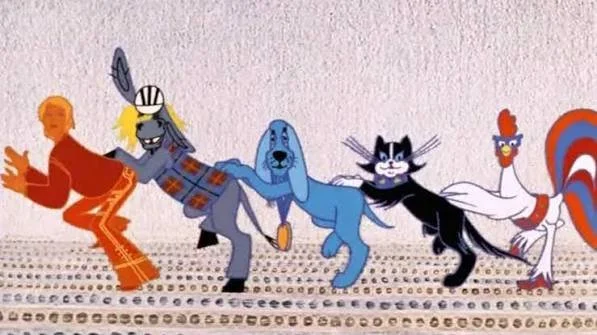
Cartoon Music in USSR and the Sound of Soviet Childhood
A Little Bit About Me
I was born in the Soviet Union, in Ukraine, in the city of Dnipro, in the beautiful USSR. I say “beautiful” because that is what I was told as a child by my school and teachers. USSR means Union of Soviet Socialist Republics (Союз Советских Социалистических Республик) in Russian. The USSR existed from 1922 to 1991.
The street I was born on was called Rabochaya (Рабочая in Russian), which means “a street of workers.” My grandmother hated the Soviet Union because her family was a family of middle-class farmers who owned land, a house, and a farm. During the Soviet period, their land, house, and animals were taken away to be shared among the people of the Soviet Union. The entire family worked from morning until night on the farm. There were 10 family members, plus cousins, uncles, and friends. Everything they had achieved, including their middle-class status, was the result of very hard work.
Chapter 4 – Failure Exam(Girl who changed my life book).
The first year at school I did great on my exams. In my second year I did well on everything except piano performance. I froze during my exam and could not play. I am still trying to understand the reasons for my freeze.
Part of me felt I could swing on talent alone—no real, consistent practice needed. Part of me became too confident in my second year, too good to fail. Part of me felt blessed. Part of me felt lonely and alone in my journey. Nothing in life is solid or stable, but somehow I thought I was set at eleven years old. I thought I had it made, even though part of me was always hungry, always in pain, and always missing my mother while living at boarding school.
How did I become so confident? I do not know. Maybe I made it up in my mind. Maybe I lived in a fake reality. I felt like I was riding a wave.
Silvansky (my piano teacher) was always late to my piano lessons, with one foot in Ukraine and one foot in the United States. My mother I only saw on weekends, in fancy apartments.
Chapter 3 – The School: First Year(Girl who changed my life book)
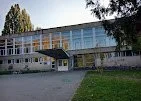
The school was beautiful: Kyiv State Music Lyceum named after M. V. Lysenko. My teacher was Sergei Sylvansky, the son of a famous composer in Ukraine. He dreamed of escaping the Soviet Union and immigrating to the United States. Leaving the Soviet Union was considered a betrayal of your motherland, so he kept his dream on the down low. He pretended to be a loyal member of society while secretly planning his escape
Chapter 2 - The Exam (Girl who changed my life book)
I spent a few days taking grueling tests and waiting in line for my turn to play in front of the judges. There were also written tests and ear-training tests. After 1 year of preparations, and non stop practicing, tears, and missing my mom - I did not get in.
I did not get in.
But I was placed on the waiting list. Meaning that out of the two to three spots available for my grade, I did not make the final cut. However, if there had been more openings, they might have accepted me. The waiting list also meant that if someone who had been accepted dropped out, I could be admitted. If no one dropped out, they wanted me to come back the following year and try again. I was not as strong as the other students who were accepted. They simply chose the best.
Chapter 1 - Dnipro, Ukraine. (Girl who changed my life book)
This is a story about me and a girl named Sonya. This happened 37 years ago and fatally changed the direction of my life.
I don't think she is aware or ever will be aware of how much she influenced the overall direction of my life.
I am not sure if I should be thankful or angry. I feel confusion and sadness that my actions were influenced so much by an event that happened when I was 12 years old. I am 49 now, and I finally processed what happened and who I have become because of something that happened 37 years ago. Sometimes an event, a split moment, a person could change your life forever, and you won’t even realize it until much later.
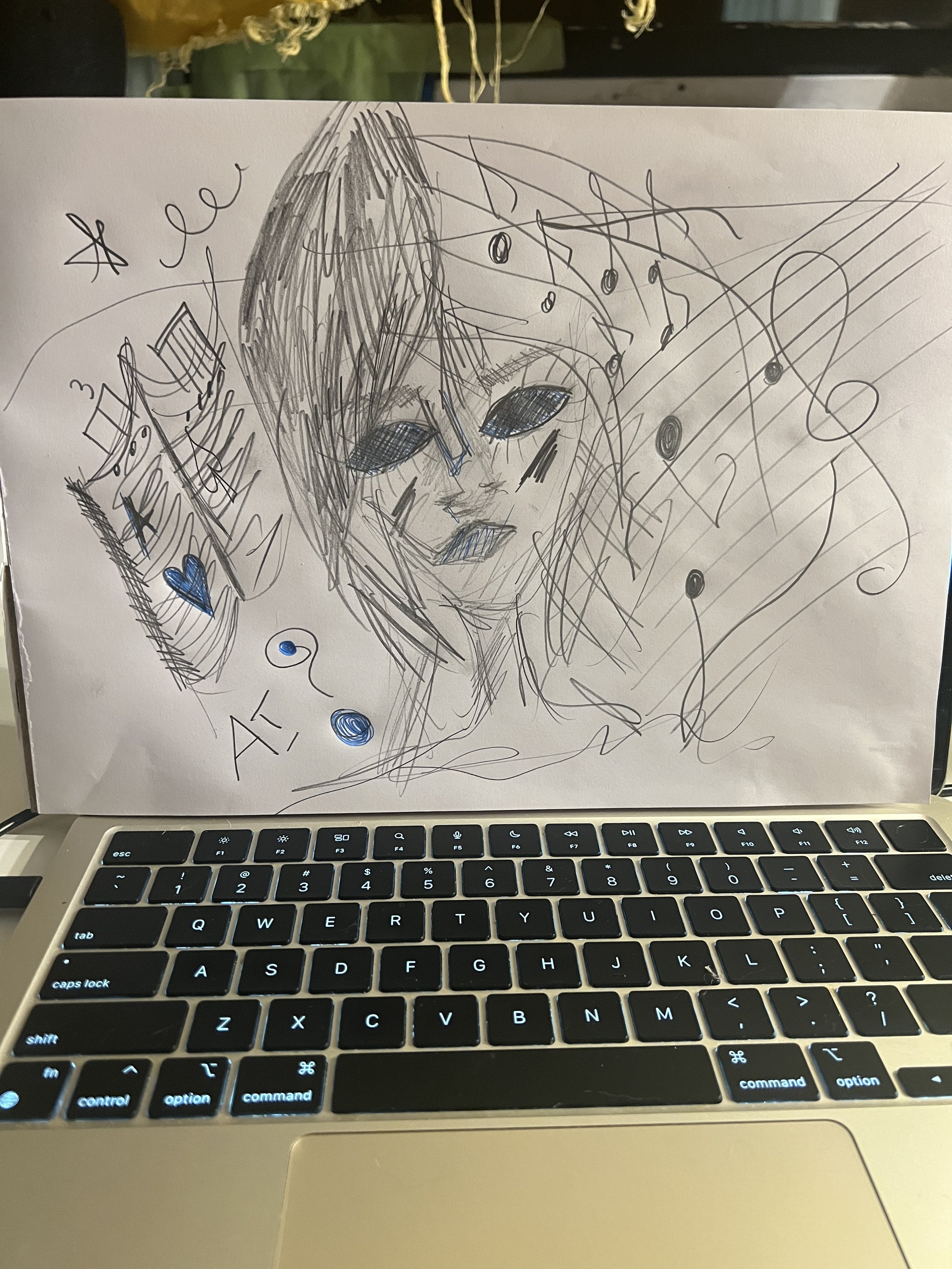
I tried SUNO AI with my song. Let's talk
I Tried AI Harmonies on My Song – Reflections on Suno AI
ecently I decided to experiment with Suno AI, an artificial intelligence tool that can generate complete songs, including vocals and instrumentation. The platform creates music from prompts or audio inputs using generative AI technology.
As a musician, songwriter, and teacher, I was curious to see what would happen if I used AI not to replace music, but simply to assist it.
So I ran a small experiment.
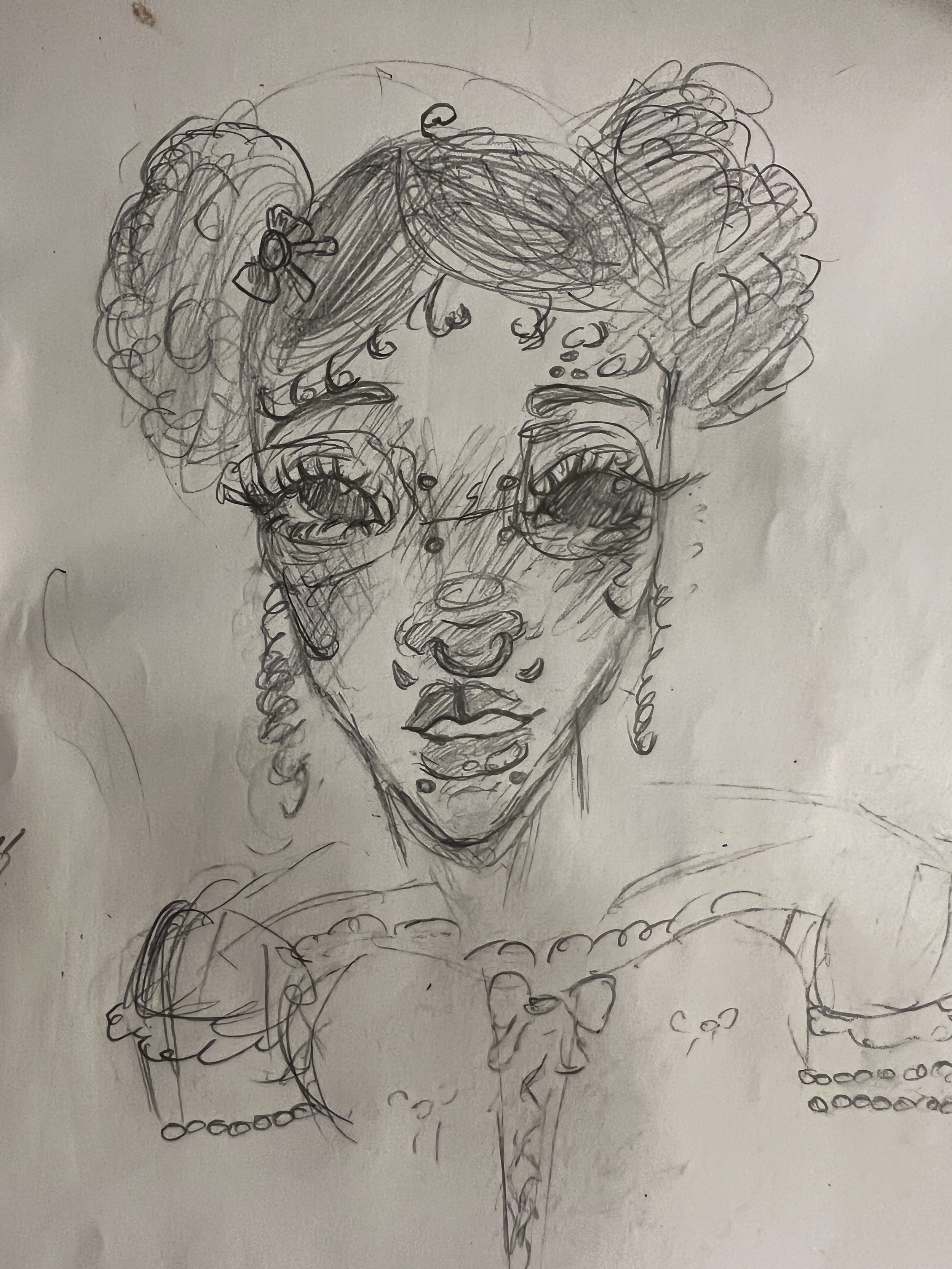
My teaching philosophy
Education should not exist only to prepare people for jobs. Education should help people become thoughtful, compassionate human beings who contribute to their communities.
Schools are social institutions that shape how we understand the world and how we treat one another. They should promote curiosity, responsibility, kindness, and respect.
Ultimately, education should inspire students to ask important questions about life, society, and the future. Our students may be the ones who solve the greatest challenges facing humanity.
Education is where we learn not only knowledge, but also how to live together in a thoughtful and humane way.

Why Teaching World Music to Children Matters (More Than Ever)
In her article Teaching Culturally Diverse Choral Music With Intention and Care, Catherine Bennett reminds us that meaningful multicultural music education requires far more than simply adding “diverse” songs to a program. It calls for intention, care, kindness, and respect for the cultures behind the music. I deeply resonate with this approach, both as a teacher and as someone who grew up surrounded by multiple musical traditions.
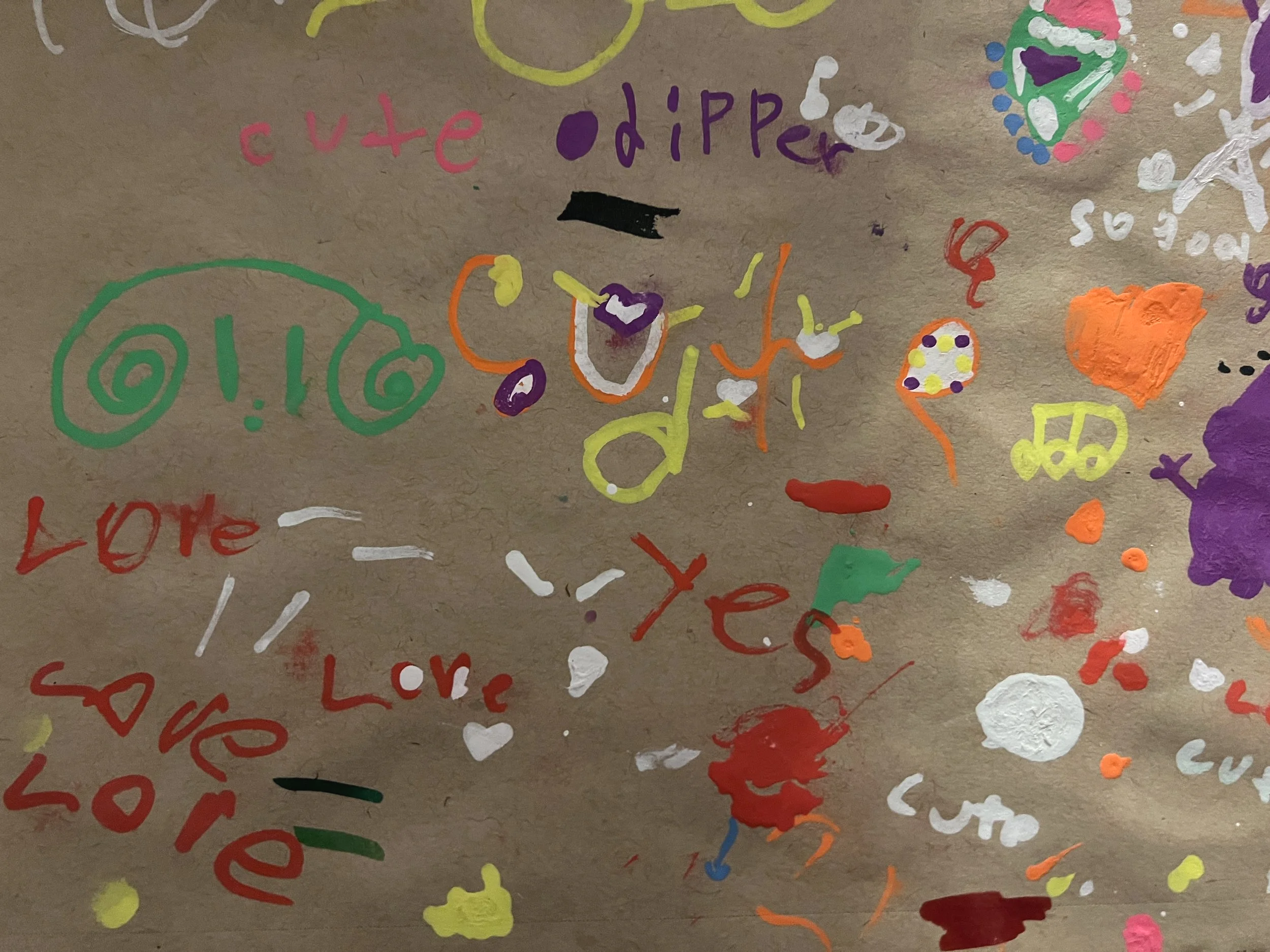
What is Intelligence?
I have been thinking a lot about intelligence lately.
In reading about standardized testing and IQ, I learned that these tests were originally created to identify children who might need support. But somewhere along the way, they became something else. They became a way to rank. To sort. To define worth.
And I keep asking myself:
What is intelligence?
Is survival intelligence different from book intelligence?
Is emotional intelligence different from academic intelligence?
Is memorizing information and getting an A the same as understanding something deeply?
As a music teacher, I see this every week.
I see students who cannot memorize quickly but can feel a phrase of music in a way that gives me chills. I see children who struggle with reading but can improvise melodies that are honest and alive. I see sensitivity, imagination, resilience — none of which can be captured by a standardized test.
Artificial intelligence can now write code, compose songs, generate images in seconds. It can solve mathematical problems faster than any human. Does that mean it is more intelligent? Maybe in one narrow category.
But intelligence without empathy? Without love? Without moral depth? What kind of intelligence is that?
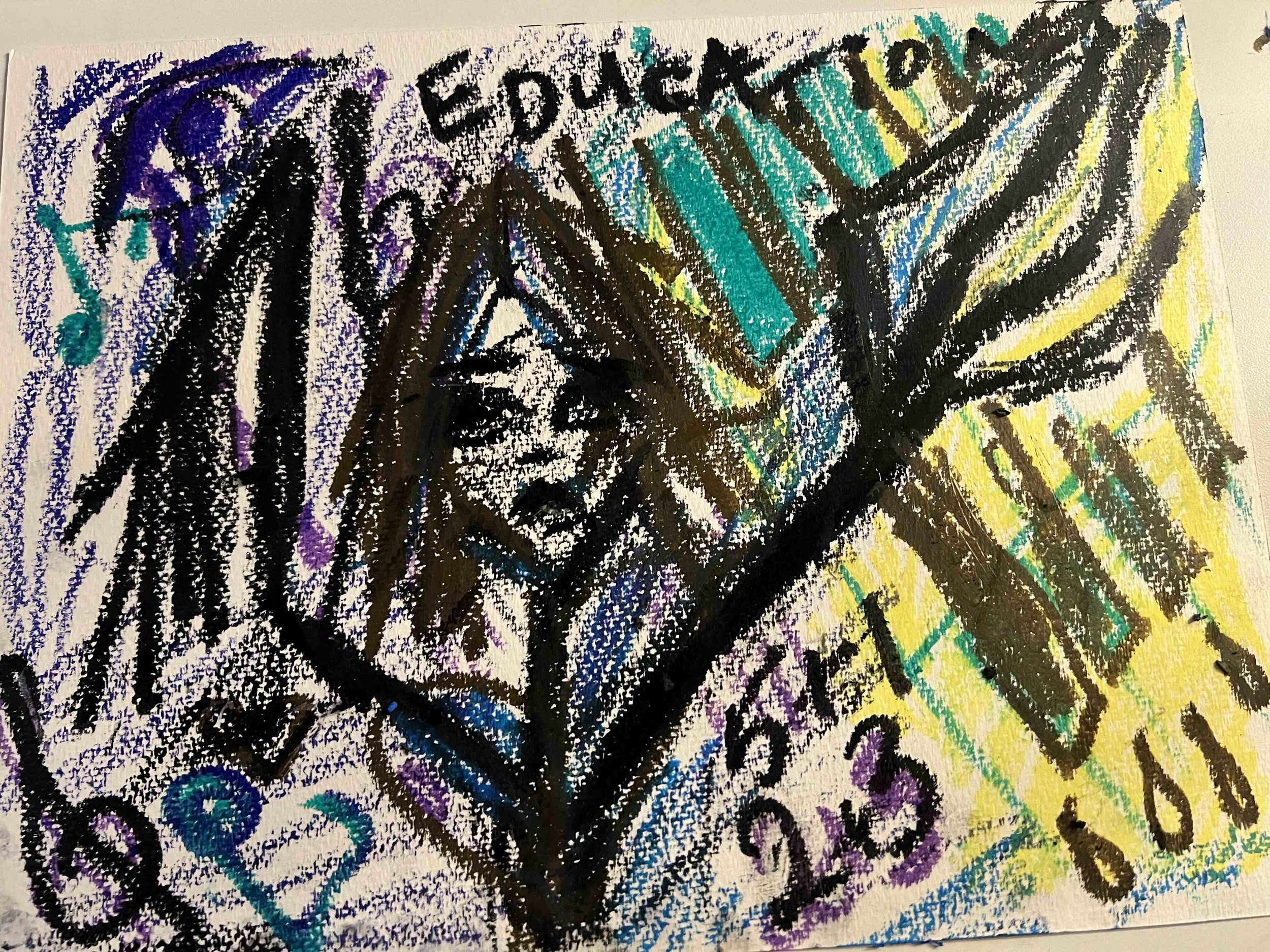
What Education Means to Me
I believe education is not just about memorizing facts or mastering technique. True education is a lifelong process of understanding ourselves and the world around us. It’s about curiosity, creativity, emotional safety, and deep listening.
This is why my approach to music is gentle, thoughtful, and human-centered. I strive to create a space where students feel supported, encouraged, and free to express themselves — where learning happens through connection, not pressure.
I teach because I know what it feels like to grow up without guidance. And I want to offer my students something I once needed myself: a safe place to learn, to create, and to be heard.